Audience & Trend Insights
Understanding Hybrid Car Adoption in Kenya
Exploring the mindsets and barriers influencing Kenya’s shift to hybrid vehicles.
Year :
2025
Industry :
Automobile
Client :
University Of Leeds
Project Duration :
8 weeks
The Challenge
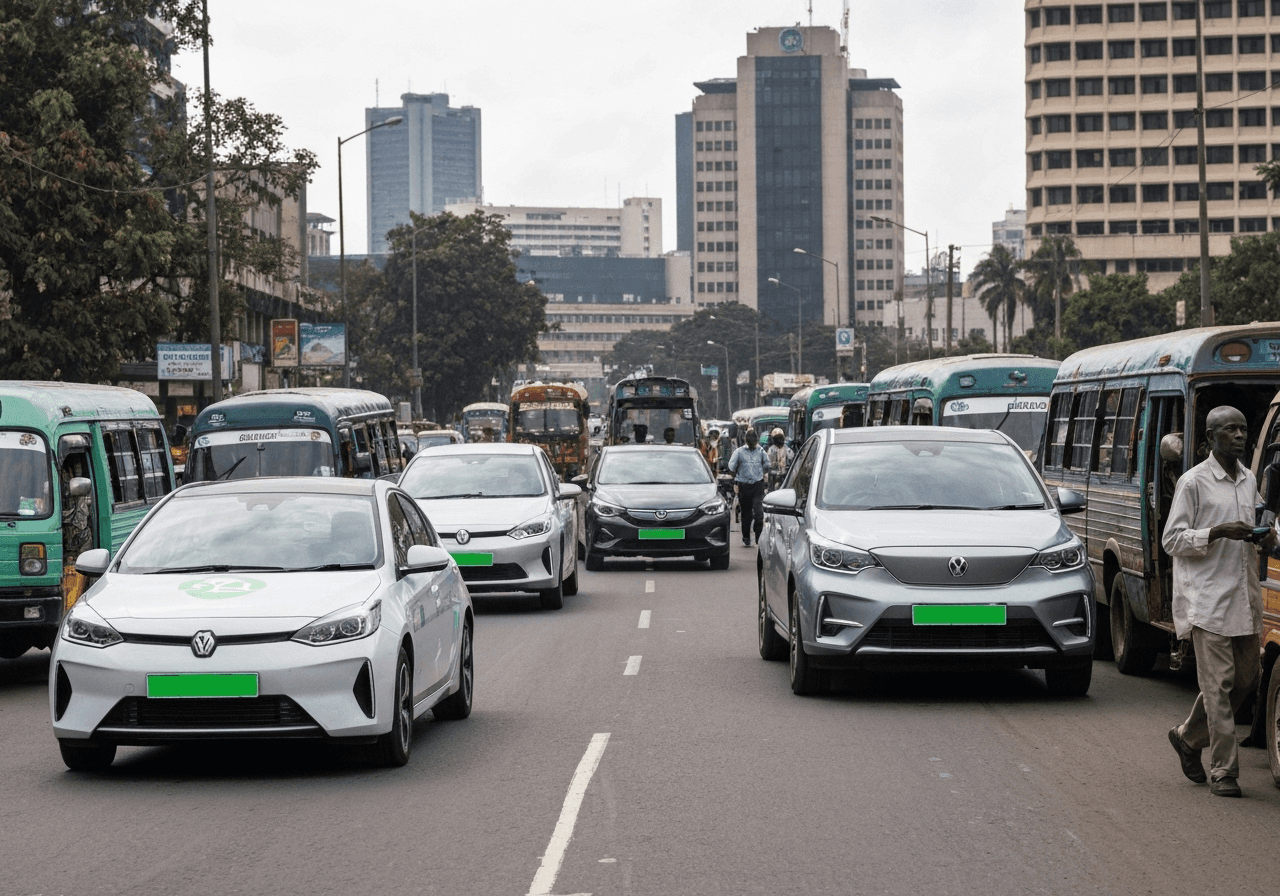
Hybrid electric vehicles (HEVs) promise cleaner, more efficient transport; but in Kenya, adoption has been slower than expected. While interest is growing, many potential buyers remain hesitant, influenced by a mix of perceptions, practical concerns, and policy realities.
The goal was clear: to uncover the real motivations, concerns, and decision-making triggers of Kenyan consumers when it comes to hybrid vehicles, and to turn those insights into strategies that could accelerate adoption.
Barriers to Adoption:
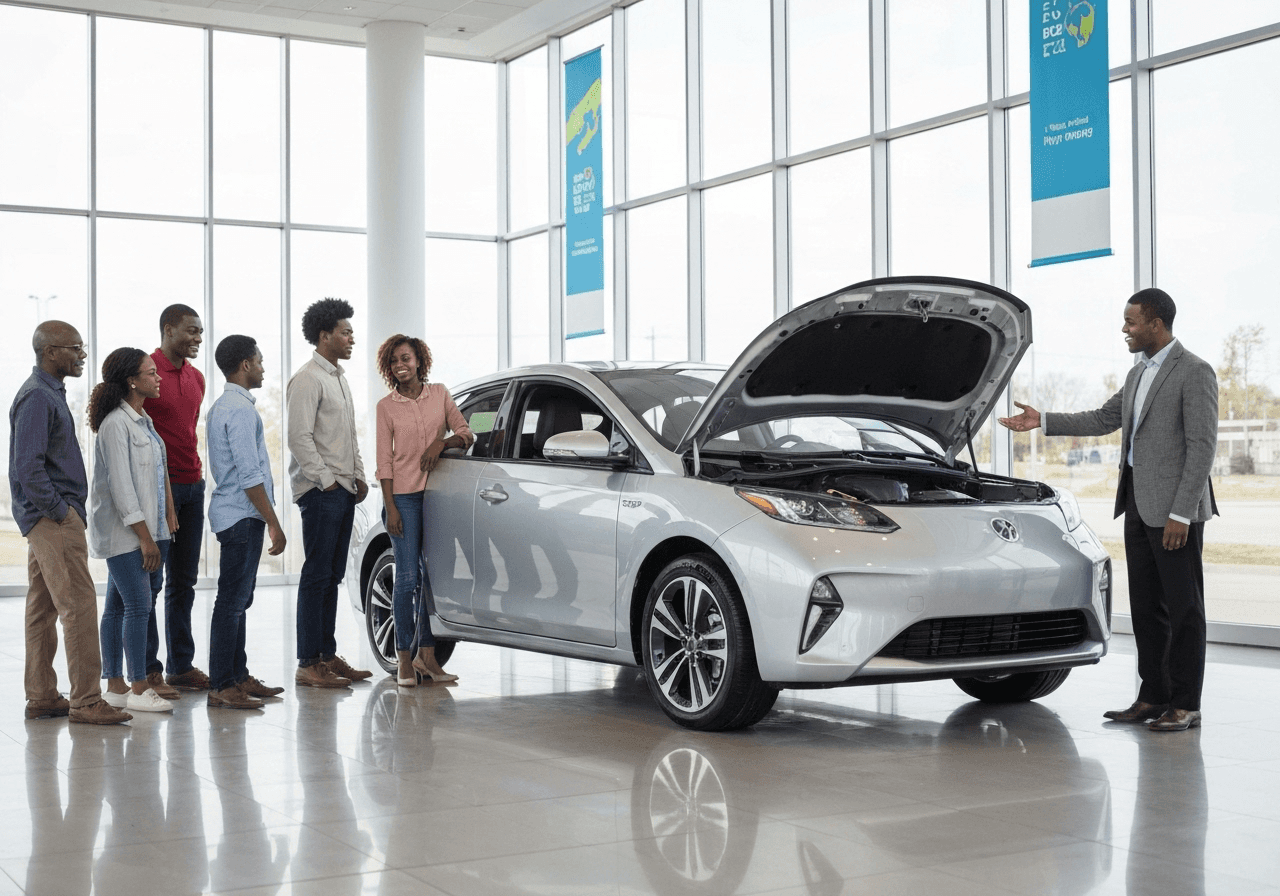
Cost Concerns: Upfront purchase price and perceived maintenance costs.
Availability & Access: Limited model options and dealership presence.
Infrastructure Gaps: Concerns about charging facilities and service networks.
Policy & Incentives: Uncertainty around government support and import regulations.
Perception & Familiarity: Misunderstandings about performance, reliability, and benefits.
Approach:
I designed a qualitative, human-centred research process to go beyond surface-level opinions:
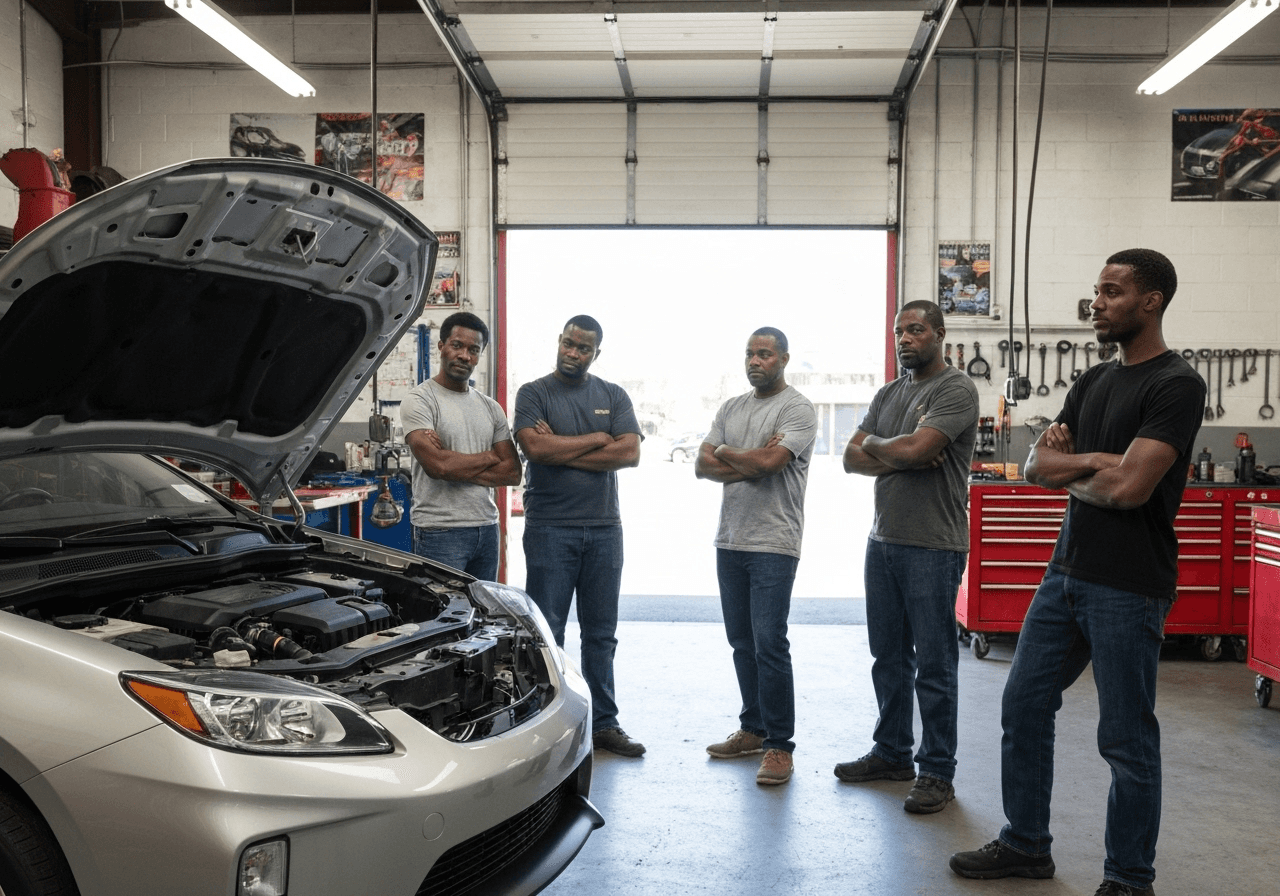
Open-Ended Interviews: One-on-one conversations with potential buyers to explore their attitudes, behaviours, and motivations in depth.
Barrier & Enabler Mapping: Identifying what holds people back and what could encourage adoption.
Thematic Analysis: Grouping responses into patterns that reveal deeper behavioural drivers.
Contextual Insight Gathering: Considering the role of infrastructure, policy, and market realities alongside consumer sentiment.
Outcome:
The research didn’t just reveal what people think; it uncovered why they think it.
Marketing & Communication Strategies: Insights informed targeted messaging to address cost concerns, build trust in performance, and highlight long-term savings.
Policy Recommendations: Findings supported the case for incentives, infrastructure investment, and awareness campaigns.
Market Development Opportunities: Helped brands and dealerships identify the most promising consumer segments and tailor their offers accordingly.

More Projects





Audience & Trend Insights
Understanding Hybrid Car Adoption in Kenya
Exploring the mindsets and barriers influencing Kenya’s shift to hybrid vehicles.
Year :
2025
Industry :
Automobile
Client :
University Of Leeds
Project Duration :
8 weeks
The Challenge
Hybrid electric vehicles (HEVs) promise cleaner, more efficient transport; but in Kenya, adoption has been slower than expected. While interest is growing, many potential buyers remain hesitant, influenced by a mix of perceptions, practical concerns, and policy realities.
The goal was clear: to uncover the real motivations, concerns, and decision-making triggers of Kenyan consumers when it comes to hybrid vehicles, and to turn those insights into strategies that could accelerate adoption.
Barriers to Adoption:
Cost Concerns: Upfront purchase price and perceived maintenance costs.
Availability & Access: Limited model options and dealership presence.
Infrastructure Gaps: Concerns about charging facilities and service networks.
Policy & Incentives: Uncertainty around government support and import regulations.
Perception & Familiarity: Misunderstandings about performance, reliability, and benefits.
Approach:
I designed a qualitative, human-centred research process to go beyond surface-level opinions:
Open-Ended Interviews: One-on-one conversations with potential buyers to explore their attitudes, behaviours, and motivations in depth.
Barrier & Enabler Mapping: Identifying what holds people back and what could encourage adoption.
Thematic Analysis: Grouping responses into patterns that reveal deeper behavioural drivers.
Contextual Insight Gathering: Considering the role of infrastructure, policy, and market realities alongside consumer sentiment.
Outcome:
The research didn’t just reveal what people think; it uncovered why they think it.
Marketing & Communication Strategies: Insights informed targeted messaging to address cost concerns, build trust in performance, and highlight long-term savings.
Policy Recommendations: Findings supported the case for incentives, infrastructure investment, and awareness campaigns.
Market Development Opportunities: Helped brands and dealerships identify the most promising consumer segments and tailor their offers accordingly.
More Projects
Audience & Trend Insights
Understanding Hybrid Car Adoption in Kenya
Exploring the mindsets and barriers influencing Kenya’s shift to hybrid vehicles.
Year :
2025
Industry :
Automobile
Client :
University Of Leeds
Project Duration :
8 weeks
The Challenge
Hybrid electric vehicles (HEVs) promise cleaner, more efficient transport; but in Kenya, adoption has been slower than expected. While interest is growing, many potential buyers remain hesitant, influenced by a mix of perceptions, practical concerns, and policy realities.
The goal was clear: to uncover the real motivations, concerns, and decision-making triggers of Kenyan consumers when it comes to hybrid vehicles, and to turn those insights into strategies that could accelerate adoption.
Barriers to Adoption:
Cost Concerns: Upfront purchase price and perceived maintenance costs.
Availability & Access: Limited model options and dealership presence.
Infrastructure Gaps: Concerns about charging facilities and service networks.
Policy & Incentives: Uncertainty around government support and import regulations.
Perception & Familiarity: Misunderstandings about performance, reliability, and benefits.
Approach:
I designed a qualitative, human-centred research process to go beyond surface-level opinions:
Open-Ended Interviews: One-on-one conversations with potential buyers to explore their attitudes, behaviours, and motivations in depth.
Barrier & Enabler Mapping: Identifying what holds people back and what could encourage adoption.
Thematic Analysis: Grouping responses into patterns that reveal deeper behavioural drivers.
Contextual Insight Gathering: Considering the role of infrastructure, policy, and market realities alongside consumer sentiment.
Outcome:
The research didn’t just reveal what people think; it uncovered why they think it.
Marketing & Communication Strategies: Insights informed targeted messaging to address cost concerns, build trust in performance, and highlight long-term savings.
Policy Recommendations: Findings supported the case for incentives, infrastructure investment, and awareness campaigns.
Market Development Opportunities: Helped brands and dealerships identify the most promising consumer segments and tailor their offers accordingly.