Audience & Trend Insights
Breaking the Barriers to Better Nutrition
Uncovered the critical social and cultural barriers preventing Rwandans from accessing sustainable and nutritious food, ultimately informing strategic interventions that significantly enhanced the availability and adoption of fortified whole grains.
Year :
2023
Industry :
Non-Profit
Client :
Undisclosed
Project Duration :
3 weeks

The Challenge:
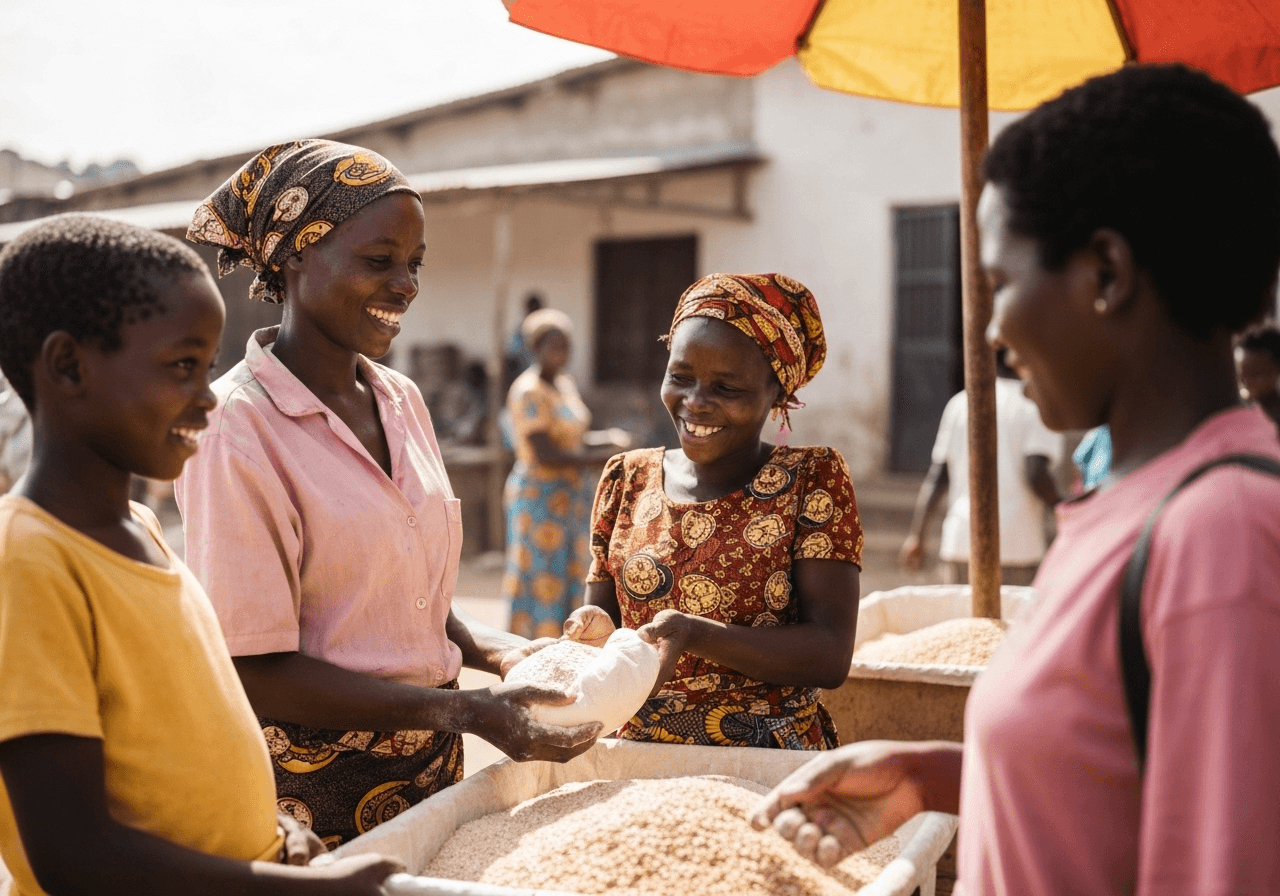
In Rwanda, the promise of sustainable and nutritious food remains out of reach for many households. While awareness of healthy eating is growing, systemic and behavioural barriers prevent consumers from accessing and adopting better food options. This gap between nutritional needs and actual consumption not only impacts public health but also limits the potential for long-term food security.
Our mission was clear: to deeply understand the lived realities, perceptions, and decision-making patterns that shape Rwandan consumers’ relationship with sustainable and nutritious food, and to translate those insights into actionable strategies that drive real change
Barriers to Progress:
Through our research, we uncovered a complex web of factors that restrict access to fortified whole grains and other nutritious foods:
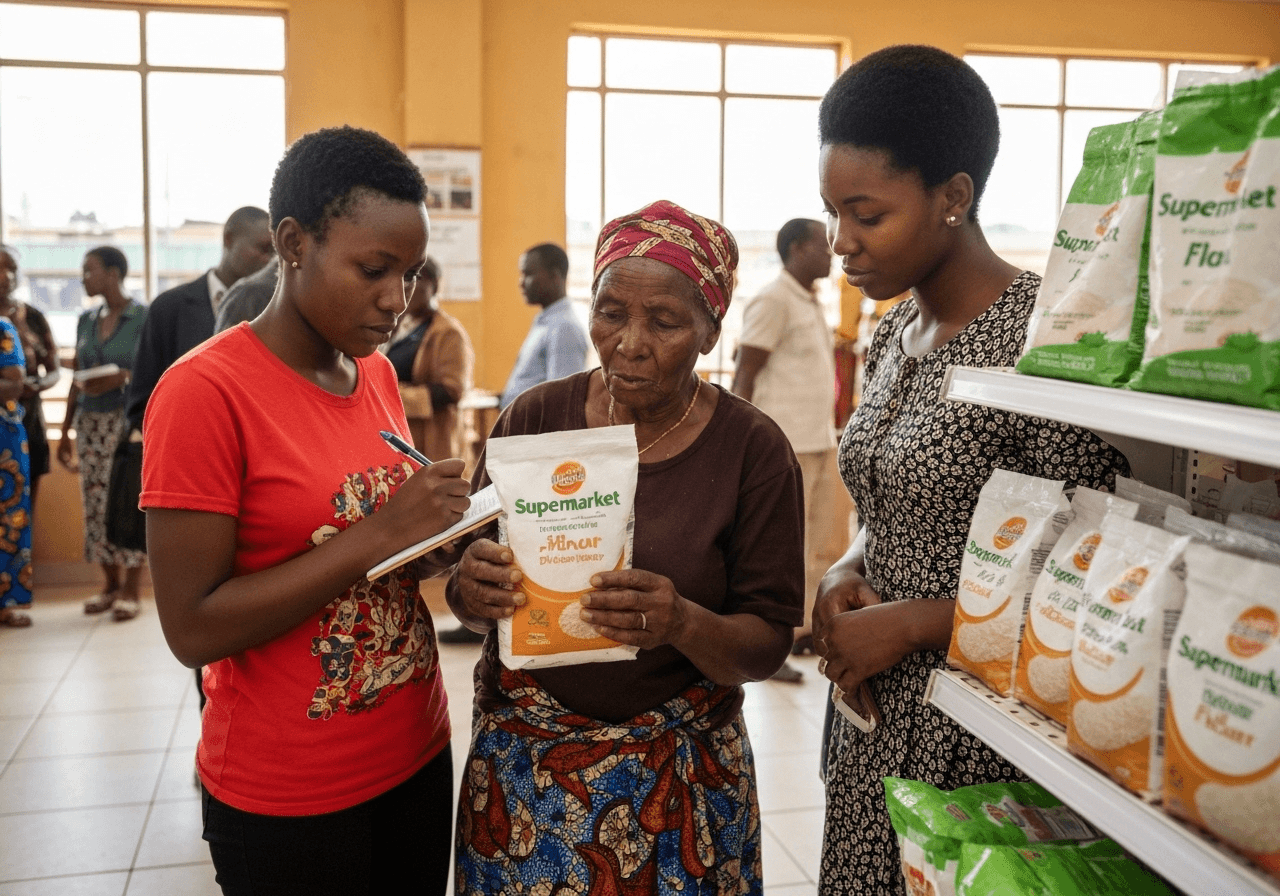
Availability Gaps: Limited presence of sustainable and fortified products in local retail outlets, especially in rural and peri-urban areas.
Affordability Pressures: Price sensitivity and constrained household budgets make healthier options less accessible.
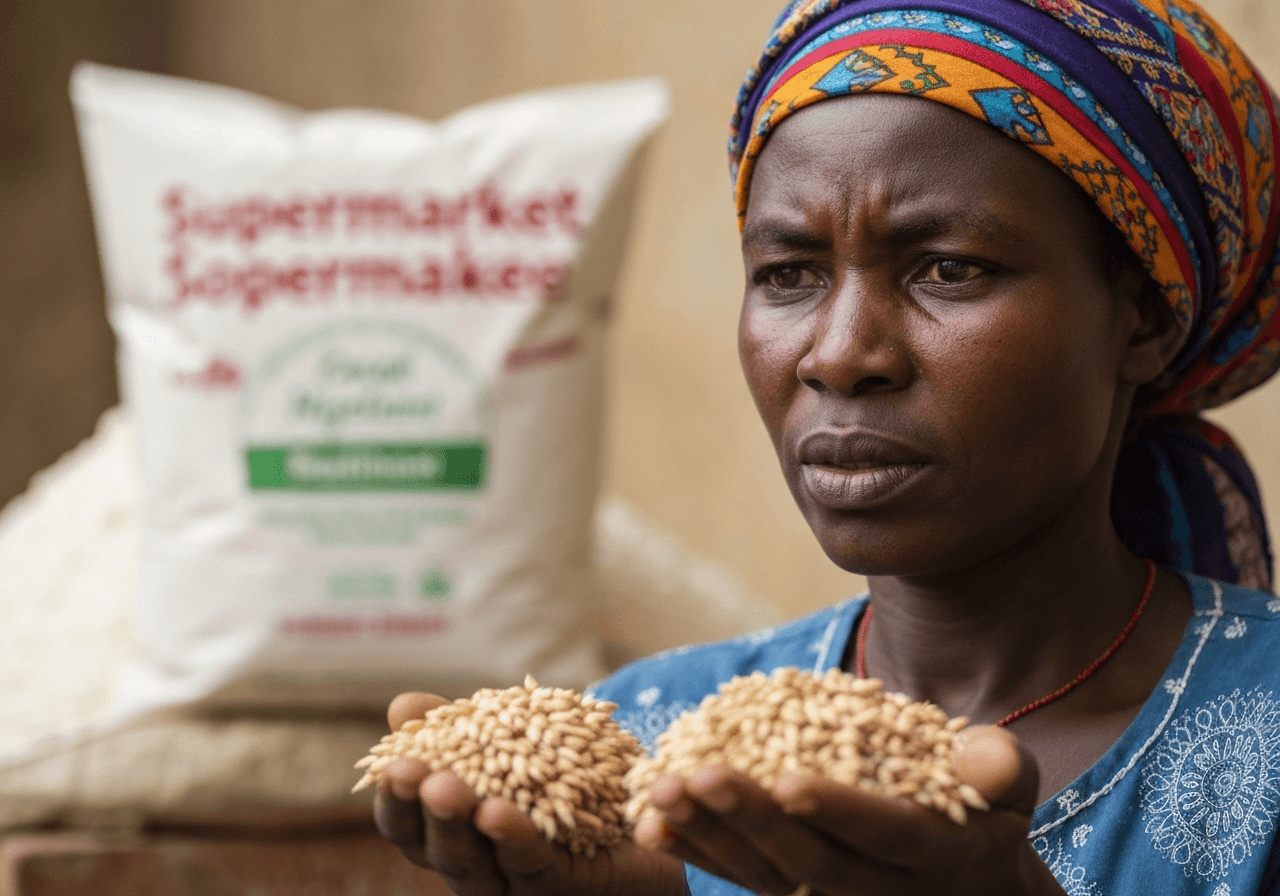
Perception & Trust: Misconceptions about taste, quality, and benefits of fortified whole grains hinder adoption.
Cultural & Habitual Preferences: Deeply ingrained food traditions and preparation habits influence purchasing decision
Research Approach:
To go beyond surface-level understanding, we designed a multi-layered, human-centred research process that combined behavioural science principles with cultural empathy:
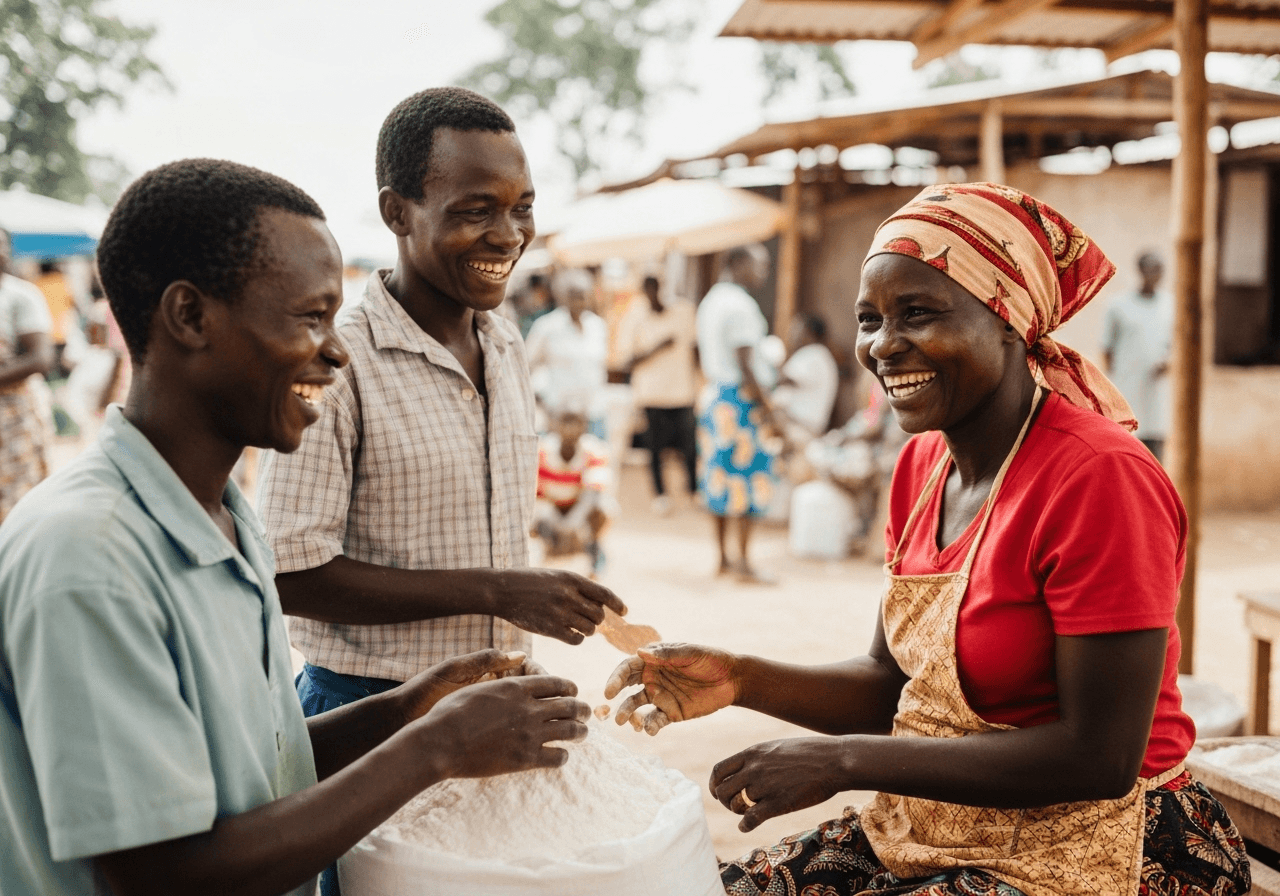
Open-Dialogue Focus Groups: We facilitated open-ended, story-driven discussions with diverse consumer segments, allowing participants to share personal experiences, beliefs, and emotional drivers around food choices.
Contextual Listening: Instead of only asking questions, we observed and listened for unspoken cues, social norms, and decision-making shortcuts that influence purchasing behaviour.
Barrier-to-Opportunity Mapping: We synthesised qualitative and quantitative findings into a clear framework that connected each barrier to a potential opportunity for intervention.
Summary :
The research illuminated the behavioural, cultural, and market dynamics that shape food choices in Rwanda.
Enhanced Understanding of the Target Audience: We gained a nuanced view of consumer motivations, trust triggers, and decision-making patterns.
Evidence-Based Intervention Design: Insights directly informed strategies to improve availability, affordability, and perception of fortified whole grains.
Catalyst for Adoption: The findings have already contributed to initiatives that are increasing consumer uptake of fortified whole grains, supporting both nutritional outcomes and sustainable food system
More Projects





Audience & Trend Insights
Breaking the Barriers to Better Nutrition
Uncovered the critical social and cultural barriers preventing Rwandans from accessing sustainable and nutritious food, ultimately informing strategic interventions that significantly enhanced the availability and adoption of fortified whole grains.
Year :
2023
Industry :
Non-Profit
Client :
Undisclosed
Project Duration :
3 weeks
The Challenge:
In Rwanda, the promise of sustainable and nutritious food remains out of reach for many households. While awareness of healthy eating is growing, systemic and behavioural barriers prevent consumers from accessing and adopting better food options. This gap between nutritional needs and actual consumption not only impacts public health but also limits the potential for long-term food security.
Our mission was clear: to deeply understand the lived realities, perceptions, and decision-making patterns that shape Rwandan consumers’ relationship with sustainable and nutritious food, and to translate those insights into actionable strategies that drive real change
Barriers to Progress:
Through our research, we uncovered a complex web of factors that restrict access to fortified whole grains and other nutritious foods:
Availability Gaps: Limited presence of sustainable and fortified products in local retail outlets, especially in rural and peri-urban areas.
Affordability Pressures: Price sensitivity and constrained household budgets make healthier options less accessible.
Perception & Trust: Misconceptions about taste, quality, and benefits of fortified whole grains hinder adoption.
Cultural & Habitual Preferences: Deeply ingrained food traditions and preparation habits influence purchasing decision
Research Approach:
To go beyond surface-level understanding, we designed a multi-layered, human-centred research process that combined behavioural science principles with cultural empathy:
Open-Dialogue Focus Groups: We facilitated open-ended, story-driven discussions with diverse consumer segments, allowing participants to share personal experiences, beliefs, and emotional drivers around food choices.
Contextual Listening: Instead of only asking questions, we observed and listened for unspoken cues, social norms, and decision-making shortcuts that influence purchasing behaviour.
Barrier-to-Opportunity Mapping: We synthesised qualitative and quantitative findings into a clear framework that connected each barrier to a potential opportunity for intervention.
Summary :
The research illuminated the behavioural, cultural, and market dynamics that shape food choices in Rwanda.
Enhanced Understanding of the Target Audience: We gained a nuanced view of consumer motivations, trust triggers, and decision-making patterns.
Evidence-Based Intervention Design: Insights directly informed strategies to improve availability, affordability, and perception of fortified whole grains.
Catalyst for Adoption: The findings have already contributed to initiatives that are increasing consumer uptake of fortified whole grains, supporting both nutritional outcomes and sustainable food system
More Projects
Audience & Trend Insights
Breaking the Barriers to Better Nutrition
Uncovered the critical social and cultural barriers preventing Rwandans from accessing sustainable and nutritious food, ultimately informing strategic interventions that significantly enhanced the availability and adoption of fortified whole grains.
Year :
2023
Industry :
Non-Profit
Client :
Undisclosed
Project Duration :
3 weeks
The Challenge:
In Rwanda, the promise of sustainable and nutritious food remains out of reach for many households. While awareness of healthy eating is growing, systemic and behavioural barriers prevent consumers from accessing and adopting better food options. This gap between nutritional needs and actual consumption not only impacts public health but also limits the potential for long-term food security.
Our mission was clear: to deeply understand the lived realities, perceptions, and decision-making patterns that shape Rwandan consumers’ relationship with sustainable and nutritious food, and to translate those insights into actionable strategies that drive real change
Barriers to Progress:
Through our research, we uncovered a complex web of factors that restrict access to fortified whole grains and other nutritious foods:
Availability Gaps: Limited presence of sustainable and fortified products in local retail outlets, especially in rural and peri-urban areas.
Affordability Pressures: Price sensitivity and constrained household budgets make healthier options less accessible.
Perception & Trust: Misconceptions about taste, quality, and benefits of fortified whole grains hinder adoption.
Cultural & Habitual Preferences: Deeply ingrained food traditions and preparation habits influence purchasing decision
Research Approach:
To go beyond surface-level understanding, we designed a multi-layered, human-centred research process that combined behavioural science principles with cultural empathy:
Open-Dialogue Focus Groups: We facilitated open-ended, story-driven discussions with diverse consumer segments, allowing participants to share personal experiences, beliefs, and emotional drivers around food choices.
Contextual Listening: Instead of only asking questions, we observed and listened for unspoken cues, social norms, and decision-making shortcuts that influence purchasing behaviour.
Barrier-to-Opportunity Mapping: We synthesised qualitative and quantitative findings into a clear framework that connected each barrier to a potential opportunity for intervention.
Summary :
The research illuminated the behavioural, cultural, and market dynamics that shape food choices in Rwanda.
Enhanced Understanding of the Target Audience: We gained a nuanced view of consumer motivations, trust triggers, and decision-making patterns.
Evidence-Based Intervention Design: Insights directly informed strategies to improve availability, affordability, and perception of fortified whole grains.
Catalyst for Adoption: The findings have already contributed to initiatives that are increasing consumer uptake of fortified whole grains, supporting both nutritional outcomes and sustainable food system